
Sharing Your Science

Sharing Your Science Table of Contents
Can coal ash be a source of rare earth metals?
Is wind energy feasible in Kentucky?
Tracking long term barn owl populations in KY
Bad News for Cockroach Haters
By: Wilson Gonzalez-Espada, KAS Intern, Summer 2025
The German cockroach (Blattella germanica) is one of the most successful pests around. Due to their high reproduction rate and tendency to remain well hidden, they can infest almost any house or building within a few months.
Cockroaches are considered particularly important structural pests because they are a risk to human health, introducing allergens that can trigger asthma attacks. They can also contaminate food, counters, dishes, and cookware with harmful germs.
Unfortunately, cockroaches have an ally: evolution. Individual cockroaches have minute genetic differences, some of which may make them less sensitive to insecticides. These differences can provide an extra edge when exposed to insecticide, improving survival and the likelihood they will pass these traits on.
Johnalyn Gordon, Sudip Gaire, and Zachary DeVries, from the Department of Entomology at the University of Kentucky, collaborated with scientists from Auburn University to investigate the resistance of German cockroaches to household spray insecticides. Their results were published in the Journal of Economic Entomology.
The scientists included four populations of German cockroaches, including ones collected in Lexington in 2021 whose ancestors were previously exposed to household insecticides, evidenced by their high levels of resistance to the insecticide used in most household sprays - pyrethroids. They also compared these home-collected populations to a laboratory population, which has been in colony for 80+ years, which means it uniquely has not been exposed to modern insecticides. Four common household spray insecticides were studied under direct spray and contact with dried insecticide residues (30-minute of limited exposure and 24-hour of continuous exposure).
Gordon and her colleagues reported that, while direct spraying caused the greatest mortality for most of the cockroach populations tested (as would be expected), even direct spray caused low mortality in the resistant Lexington cockroaches for several of the household spray products. While effective, it would be nearly impossible to find and directly spray every cockroach in a home.
To eliminate an infestation, limited exposure residual efficacy is critical because this is the only route most cockroaches will ever be exposed to insecticides. For Lexington cockroaches who walked on dried insecticide for 30 minutes before being transferred to a clean container, the mortality after a day did not exceed about 20%, regardless of the product. For both the lab and home-collected cockroach populations, survival rates increased when insecticide was applied to porous surfaces, like painted drywall. Even under a best-case scenario for product residues to be effective where the Lexington cockroaches were forced into contact with dried insecticides, the scientists reported a statistical analysis that suggested that at least 8 to 24 hours of continuous exposure was needed to achieve 100% mortality.
Based on the results, Gordon and her colleagues concluded that cockroach mortality “substantially decreases for all products when applied as residual contact insecticides,” particularly on porous surfaces. This is a problem because it’s very unlikely people will be able to successfully control cockroaches in their homes using these products alone. As a result, they may resort to using even more insecticide, increasing their risk of pesticide exposure. Exposure to pyrethroid pesticides has been shown to cause skin irritation, nausea, vomiting, dizziness, prenatal and infant neurodevelopmental issues, and hearing loss in minors.
As alternatives, the researchers recommend consumer bait products or professional pest control services. The scientists acknowledge that “the high price of professional pest control is just one of many barriers to effective pest control in low-income housing.”
Are You Cancer Literate?
By: Wilson Gonzalez-Espada, KAS Intern, Summer 2025
According to the National Cancer Institute, cancer occurs when abnormal or damaged cells grow and multiply uncontrollably. These rogue cells do not respond to the body's signals to stop growing or to self-destruct, a process called apoptosis.
Instead, they trick the immune system into thinking they are A-OK and the blood vessels into providing fresh blood to keep malignant cells alive. Through these vessels, some cells may metastasize, that is, reach other parts of the body, settle, and continue their unruly reproduction.
Early detection is essential to identify the type of cancer a person may have and evaluate possible treatment options. However, one major limitation for those who live in economically distressed regions of Kentucky is the shortage of healthcare options. In fact, in the U.S. eight of the ten counties with the lowest life expectancy are in Kentucky’s Appalachia, which creates cancer disparities.
One way in which people can challenge healthcare disparities, particularly for cancer, is to develop health awareness and literacy. Examples of this include recognizing early signs of cancer, following good healthcare behaviors, seeking preventative care and screenings, moderating the consumption of alcohol and cigarettes, and challenging the social pressure females experience to fulfill mothering roles at the expense of their health.
To improve cancer literacy and health behaviors, healthcare professionals propose that young adolescents and college-age individuals should be targeted to receive information and resources to enhance their healthcare literacy. However, it is not known to what extent this group is aware of basic facts regarding cancer and what treatment options are available in their communities.
A team of scientists from Eastern Kentucky University (Jerry Derringer, Lisa Middleton) and the University of Kentucky (Nathan Vanderford and Lindsay Cormier) used a survey to measure the cancer literacy level of 139 college students and compare it by certain demographic and geographical factors. The survey included demographic questions, a female-focused cancer literacy test, and questions pertaining to cancer care access. Their findings were published in the Journal of American College Health.
The researchers concluded that the participants' cancer literacy was low. The total average score on the cancer literacy survey was about 67%, or 13.5 out of 20 points. Although Appalachian and non-Appalachian residents obtained similar scores, female participants and those majoring in nursing, biomedical sciences, biology, and veterinary science scored significantly better.
The survey also revealed that about 67% of respondents were not aware of free mobile mammography units in Kentucky. Regardless of gender, inadequate access to health services was reported significantly higher by Appalachian students compared to non-Appalachian ones.
Based on the findings, the researchers propose school districts consider adding cancer literacy lessons into school curricula. For instance, a successful pilot intervention to enhance cancer literacy among Kentucky middle and high school students has already been evaluated and reported in the literature. They would also like to expand their research to related health literacy topics, like human papillomavirus.
Preventing Muscle Atrophy
By: Wilson Gonzalez-Espada, KAS Intern, Summer 2025
The International Space Station has been continuously occupied for more than 25 years. You have probably noticed that news coverage shows the astronauts walking toward the launch pad but, upon their return, they are transported sitting on a stretcher. The reason is weightlessness; when the body does not have to deal with gravity, even after following a daily exercise routine, astronauts’ bones weaken, and muscles lose mass and strength.
You do not have to live in space for months to experience muscle atrophy. An extended hospitalization or an illness that makes someone bedridden will have similar effects on bones and muscles. A recent study reported that, for hospital patients physically inactive for just a week, muscle atrophy and weakness are measurable. After three weeks of muscle unloading (when muscles do not have to support the body), muscle atrophy and strength decrease by about 8% and 16%, respectively, requiring extensive and long-term physical rehabilitation.
Interestingly, certain types of rodents, frogs, bears, bats, and snakes spend months of physical inactivity during hibernation. According to the U.S. National Park Service, during the winter, food is scarce and it is very cold, so animals evolved a way of surviving these harsh conditions by reducing their metabolism, slowing down their heart rate, and lowering their body temperature. How do animals survive hibernation without significant muscle atrophy? Can we apply their survival trick to treat or prevent muscle atrophy in people confined to bed?
A group of scientists from the University of Alaska Fairbanks and Dr. Esther E. Dupont-Versteegden from the Department of Physical Therapy and the Center for Muscle Biology at the University of Kentucky examined changes in muscle physical and protein catabolic changes in juvenile arctic ground squirrels (Urocitellus parryii) through several time points of hibernation as compared to pre-hibernating animals. Their findings were published in the journal Comparative Biochemistry and Physiology A.
To perform the study, the squirrels were trapped in July and housed under temperature and light/dark conditions that simulated the summer. In late September, the temperature and light/dark conditions simulated winter, triggering the hibernation instinct. Muscle tissue was obtained at approximately 2, 6, 11, and 20 weeks after hibernation started, flash-frozen in liquid nitrogen, and analyzed.
The researchers found that muscle mass, fiber type and cross-sectional area, femur length, RNA concentration, and ribosomal RNA were statistically similar through hibernation time. They did find some differences in the expression of certain genes that kept protein biosynthesis just as if the squirrels were not hibernating. Preserving the biochemical 'status quo' attenuated atrophy, allowing the squirrels to move normally during and after hibernation.
Dupont-Versteegden and her colleagues remarked that “Interventions to preserve muscle mass and strength during atrophy-inducing periods are needed, but currently unavailable.” This means that there is not much that can be done to prevent muscle atrophy and weakness if a person is bedridden. By identifying the biochemical pathways that stop muscle atrophy in squirrels, the research team hopes to develop potential medications or treatments that will reduce post-hospitalization physical rehabilitation.
Can coal ash be a source of rare earth metals?
By: Wilson Gonzalez-Espada, KAS Intern, Summer 2025
Although renewable energy sources are becoming more common, the U.S. still substantially relies on fossil fuels for electricity production. After natural gas, coal is the second most common fuel type, according to a U.S. Environmental Protection Agency (EPA) report.
One of the byproducts of coal burning is ash; burning ten tons of coal results in about one ton of ash. The EPA classifies this material by size as boiler slag (pellet size), bottom ash (coarse and too large to rise in a smokestack), and fly ash (very fine and powdery). Coal ash can be ‘recycled’ into soil additives and in the manufacturing of construction materials like wallboard, concrete, and bricks. Some of it, however, ends up in surface landfill-like dumps or in waterways.
Since coal originated from organic material and vegetation in peat swamps, whatever the plants absorbed from the soil or was deposited in the swamp via sedimentation remains in the coal. When burned, the carbon is converted into carbon dioxide and water vapor, leaving other chemical compounds and elements behind. Toxic metals (arsenic, lead, mercury, cadmium, selenium); rare earth elements (REE); and other elements like zirconium, yttrium, niobium, and hafnium are common in coal ash.
A report on the effects of coal ash listed its health effects. They include "several types of cancer, heart damage, lung and kidney disease, respiratory distress, reproductive problems, gastrointestinal illness, birth defects, impaired bone growth in children, nervous system impacts, cognitive deficits, developmental delays, and behavioral problems." Similarly, Jared Sullivan's 2024 book Valley So Low poignantly described the comprehensive human health and ecological risks of a dike failure and subsequent coal ash spillage into the Emory River channel, Roane County, Tennessee.
Interestingly, as smartphones, computers, and other electronic devices become ubiquitous, REE have become essential in the manufacturing and production of high-tech components. Exactly what rare metals are present in coal ash and in what quantity? Can coal ash be ‘mined’ for these highly sought resources?
To answer these questions, a group of scientists led by Drs. James C. Hower and John G. Groppo, in collaboration with scientists and engineers from Physical Sciences Inc., Winner Water Services, and Baylor University, have been using scanning electron microscopy, electron dispersive spectroscopy, and transmission electron microscopy to investigate the components of coal ash extracted from eastern Kentucky. Their decade-spanning scholarly work has been reported in the scientific literature. Their most recent study was published in the journal Minerals.
Their analysis found several minerals that can be processed to extract REE. Samples of coal ash contained zircon (ZrSiO4) and baddeleyite (ZrO2). Hafnium, another important element, chemically resembles zirconium and can also be found in the latter silicates. According to the U.S. Geological Survey, zirconium is used in nuclear fuel cladding, chemical piping in corrosive environments, heat exchangers, and various specialty alloys. Hafnium, on the other hand, is used in nuclear control rods, nickel-based superalloys, nozzles for plasma arc metal cutting, electronics, and high-temperature ceramics.
Hower, Groppo, and their team also found fergusonite (YNbO4), yttriaite (Y2O3), and xenotime (YPO4), minerals that are sources of ytterbium. The Los Alamos National Laboratory reported that this REE has applications in refining and strengthening stainless steel, fiber optics, electronics, ceramics, and portable X-ray machines. Previous studies of the same fly had also identified monazite, a mineral that contained a broad range of REE.
As noted by Hower, “Our recent papers highlight the scale of the extraction of metals from fly ash, while the fly ash particles average about 10 microns in diameter, the acids used in processing can only penetrate about 3 microns. Further, many of the minerals of interest and considerably smaller and are embedded within the alumino-silicate fly ash glass.”
At current REE prices, Hower noted that these metals, by themselves, may not provide enough of a return to justify the processing. Nevertheless, perfecting the extraction process is important and may lead to cost-effective future applications and, eventually, removing metals from eastern Kentucky coal-blend landfilled ash.
Is wind energy feasible in Kentucky?
By: Wilson Gonzalez-Espada, KAS Intern, Summer 2025
As the world moves away from fossil fuels for energy generation, with their atmosphere-warming emissions and health-threatening pollutants, renewable energy sources are being researched and implemented. One of them is wind energy, described by the U.S. National Renewable Energy Laboratory as "one of the largest sources of clean, renewable energy in the United States, making it essential to a future carbon-free energy sector."
To convert the mechanical energy of the wind into electrical energy, wind turbines have blades or other moving parts. This means that there is a minimum wind speed needed for them to start rotating and a somewhat continuous wind to keep the turbine spinning at peak capacity. The U.S. Department of Energy estimates these wind speeds at about 8 mph (3.6 m/s) and 30 mph (13.4 m/s), the minimum and average sustained wind speeds, respectively.
Another limitation of current technologies is that the amount of wind power generated depends on whether the wind is blowing and how much. However, innovative ways to store wind energy when excess generation is available and then release it on demand are being studied nationwide. Two storage alternatives are batteries and hydroelectric systems that pump water up a reservoir so that it can flow downward to spin power turbines when power is needed.
In 2022, Kentucky had 68% of its electricity generated from fossil fuels, mainly coal and natural gas. Historically, the perception has been that the state is not windy enough for it to tap into wind energy for power generation. Other factors, like low electricity prices and the absence of state policies encouraging the local development of wind energy generators, have contributed to the fact that all states bordering Kentucky have wind power, but we do not.
In a recent study, Larry Holloway and Dan Ionel (University of Kentucky) and Aron Patrick (PPL Corporation in Louisville, KY) argue that new advancements in wind turbines and wind energy storage will allow Kentucky to tap this renewable source, particularly as a complement to solar power. Their findings were published in the Journal of the Kentucky Academy of Science.
After a detailed analysis, the authors reported that, at an elevation of about 380 ft (115 m), the estimated average wind speed in Kentucky is almost always higher than 12 mph (5.5 m/s), enough for current-generation wind turbines to start spinning. However, the estimated average wind speed in Kentucky rarely exceeds 16 mph (7.2 m/s), suggesting that the wind turbines may not be able to consistently reach peak power.
However, Holloway, Patrick, and Ionel noted that current advances in wind turbine designs allow better capture of wind energy, particularly in counties like Bourbon, Meade, Carlisle, Scott, Graves, and Harlan counties. With modern wind energy advances, a state that was not previously considered suitable for wind power could see wind become an important contributor to its mix of power sources.
In the article, the researchers emphasized the importance of resiliency in power generation systems. Even if solar and wind energy cannot completely replace fossil fuels in the short term, if their contribution is 50%, that is half of the greenhouse gases and pollution emitted by coal, natural gas, and diesel.
They also showed year-long wind speed and sunlight intensity data from Harrodsburg. Solar and wind energy were found to be complementary. For example, in winter there are fewer hours of sunlight but higher daily average wind speed. In July, in contrast, there are more hours of sunlight but lower daily average winds. When working in tandem, they can provide energy reliably in combination with energy storage during off-peak power use hours.
“It is exciting to see this source of energy being explored for the state,” said Larry Holloway, one of the authors of the paper. “The first wind turbine in the state was installed by the Louisville Gas & Electric Company and Kentucky Utilities in 2024. We have been analyzing data over the first year of operation. Although recent analyses have shown that wind production at the initial site was less than expected, it did demonstrate that wind generation in the state is possible and can complement other sources. With larger and taller turbines currently on the market, wind could be a viable part of our state energy mix.”
Holloway, Patrick, and Ionel are hopeful that, as more evidence in favor of complementary solar and wind energy emerges, renewable energy production in the state will soar. They mentioned, for instance, wind energy projects recently installed by Louisville Gas & Electric and Kentucky Utilities, and a proposed wind development in Henderson County. Although solar is currently estimated at a lower cost than wind, wind energy can have an important role in Kentucky’s future energy mix.
Tracking long term barn owl populations in KY
By: Wilson Gonzalez-Espada, KAS Intern, Summer 2025
The American barn owl (Tyto furcata) is one of more than 200 species of birds of prey from the order Strigiformes. They have excellent vision and hearing, and feed mainly at night. Their specially adapted wings are perfect for flying almost silently. By the time small mammals realize that the owl is approaching, it will likely be too late to escape.
According to the KY Department of Fish and Wildlife Resources, barn owls live throughout the state, but their preferred habitats are the open grasslands, pastures, hayfields, and crop field areas in central and western Kentucky. They nest in hollow trees, silos, grain bins, and barns, and will use nest boxes made available to them by farmers and conservation professionals.
Farmers are often fond of barn owls. For the cost of a wooden nest box or space in a barn's upper rafters, owls provide an excellent pest control service. A pair of adult barn owls can hunt a myriad of rodents annually for them and their young.
Despite this essential service to agriculture, barn owl populations have been on the decline in many states for decades due to a combination of nest site competition, predation, nest destruction and disturbance, habitat loss, and vehicle collisions. Consuming mice and rats that have eaten poison has also been associated with owl mortality.
Until recently, there were lots of unknowns about barn owl populations in Kentucky. In 2005, the barn owl was included as a species of greatest conservation need in the Kentucky’s Department of Fish and Wildlife Resources’ wildlife action plan, and nest boxes were installed in wildlife management areas. Surprisingly, most of these nesting sites remained vacant for the next few years. This caused biologists to wonder: What is the population status of barn owls in the state? By 2010, a long-term study had begun to answer this and other questions.
In 2024, Kate Slankard and James Barnard, from the Kentucky Department of Fish and Wildlife Resources, and Dr. Andrea Darracq from Murray State University analyzed more than a decade of statewide barn owl nest and roosts surveys, in combination with habitat-related variables, to quantify nest site occupancy and overall population trends over time. Their findings were published in the Journal of Raptor Research.
During 2010–2022, more than 500 nests were identified. More nests were found in nest boxes (on various structure types; 44%) and tall feed silos (10%), but nests were also found in barns, house attics and chimneys, grain bins, trees, rock shelters, and bridges. About 4 in 5 of these locations were on private property.
Fortunately, nest box occupancy rates increased during each consecutive survey from less than 10% in 2010 to about 43% in 2022. Nest boxes installed at sites where barn owls were observed prior to installation were more likely to become occupied than nest boxes installed in seemingly good habitat with no knowledge of barn owl occurrence. Nearly all nest boxes installed on tall feed silos and grain bins became occupied, with those placed on retired wood utility poles having the second greatest probability of being occupied. In contrast, nest boxes located on live trees were, by far, the least preferred by barn owls.
Statistical modeling revealed that Central and Western Kentucky, the zones the scientists surveyed, could potentially support up to 2,200 barn owl pairs. However, the actual population in 2022 was estimated at about 170 pairs. Slankard, Darracq, and Barnard think that, with additional best practices in barn owl population management, including a more targeted approach for nest box installations in the birds' preferred locations, their population could feasibly increase to about 200-340 pairs. For example, nest boxes placed on retired utility poles at high densities near reclaimed mine land and minimal human disturbance resulted in a high barn owl density.
Something the scientists benefited from during this study was the public’s assistance. As the community learned about the barn owl survey, they reported new nest sites outside of known nesting areas. The implementation of the strategic goals outlined in the research paper by the Kentucky Department of Fish and Wildlife Resources and partners will continue to support the barn owl population and protect these birds of prey.
Unearthing Fossil Fungi
By: Wilson Gonzalez-Espada, KAS Intern, Summer 2025
Over the course of its history, Earth has experienced wide variations in climate, including warmer, colder, wetter, and drier times. For example, the last glacial maxima peaked about 20,000 years ago and was much colder and drier than today. Igneous and metamorphic rocks in Trimble, Carroll, Gallatin, Boone, Kenton, Campbell, Pendleton, and Bracken Counties were transported by glaciers from as far north as Canada and the northeastern U.S. (Kentucky Geological Survey).
Since organisms and habitats tend to co-evolve, one way to infer the type of climate at a specific location and time is by examining fossils. Eastern Kentucky is a perfect example; what is now a forest used to be a sea hundreds of millions of years ago, and fossil sea creatures are often found in this region.
Interestingly, when people hear the word 'fossil,' they may think of large beasts, like the mammoths and mastodons found at Big Bone Lick or dinosaurs. Small fossils, like those of shells, corals, and trilobites are relatively common, too. Did you know that fungal spores can also fossilize? What do these tiny fossils say about past climates in the U.S.?
Dr. Jen O'Keefe from Morehead State University (MSU) and Dr. Matthew Pound of Northumbria University lead a team of MSU undergraduate and Craft Academy researchers and national and international partners to study fossilized fungi from the Miocene Climate Optimum, which occurred about 15 million years ago. They are interested in this period because it was warmer than our current climate and may provide clues about what could happen to the fungal communities that support and impact agriculture and forestry as Earth warms and cools.
The research analyzed fungal remains found in clay-rich sediments deposited by ancient rivers and lakes from Alum Bluff, FL; Bouie River, MS; and the Clarkia Fossil Lagerstätte, ID. Fungi have two important characteristics. First, they are highly resistant to weathering and can be extracted from rocks or sediments for study under a microscope. Second, many fungal spores have distinctive size, shape, and cell numbers and are relatively evolutionarily conservative, which means not only can scientists recognize taxa living today in sediments that are millions of years old, but they can also infer past climate and ecosystem changes by mapping the tolerances of existing fungi onto ancient occurrences.
After processing and classifying more than 350 samples, the researchers challenged the prevailing paradigm that warmer temperatures may result in drier conditions. Their findings, published in the journal Research, indicate warmer temperatures correlating with wetter conditions, particularly in the western and southeastern U.S. and that moisture patterns may have been increasingly seasonal. This is consistent with models that suggest that higher temperatures provide additional energy, turbocharging the water cycle.
"The neat thing about the Fungi in a Warmer World project, beyond our scientific advances, is the impact is has had on so many students. At Morehead State alone it has permitted sixteen High School and Undergraduate students to conduct fieldwork, give presentations at national and international meetings, and experience working in large collaborative teams. The three student-led projects that culminated in this paper were incredible experiences, especially as Jolene Fairchild discovered taxa indicative of warm and wet conditions at Clarkia, which is cool and dry today and Tyler Spears noted that the fungi present in the Bouie River site were not very different from those found in the area today."
One limitation of the study is that some of the fungal remains were poorly preserved. To supplement the fungal results, the team completed similar analyses on pollen from the same sites, which preserves a little differently from fungi and is sometimes present where fungi are absent. Together, the complimentary datasets provide a better picture of environmental changes that occur when the planet warms up.
Poultry Litter as Fertilizer
By: Wilson Gonzalez-Espada, KAS Intern, Summer 2025
The recent increases in grocery prices have caused families to strategically plan how to buy groceries in the most cost-effective way possible. In terms of protein, chicken meat is relatively inexpensive compared to beef, pork, fish, and shellfish, and it is more readily available. In contrast, beef has seen a decrease in production since the 1980s.
According to the Economic Research Service of the U.S. Department of Agriculture (USDA), “chickens mature and reach market weight more quickly than other livestock and convert feed to meat more efficiently than larger animals. In addition, chickens can be raised in small spaces, so producers can raise poultry in a variety of environments, including small plots of land.” According to USDA’s National Agricultural Statistics Service 2024 report, four states Arkansas, North Carolina, Georgia, and Alabama produced nearly half of all broilers in the United States. Kentucky ranked 9th in broiler production in 2023.
Since broiler houses have a high chicken population density, antibiotics may be added to the feed or water to prevent, control, or treat infectious diseases, which can result in antibiotic-resistant bacteria that are excreted through feces. Poultry litter includes feces, urine, bedding material, feed, and feathers. On the other hand, this litter is high in nitrogen and other nutrients that can improve soil health, and it is a useful resource that can be used as an organic fertilizer for pasture and crop production. However, concerns have been raised regarding the land application of raw poultry litter. Are antibiotic-resistant microbes such as infection-producing Enterococcus faecalis, E. faecium, and Escherichia coli reaching these fields? If so, can there be consequences for public health?
A group of scientists, including Drs. Getahun E. Agga and Karamat R. Sistani from the USDA Agricultural Research Service, Food Animal, Environmental Systems Research Unit in Bowling Green, decided to answer these pressing questions. Their findings were published in the professional journal Environmental Pollution.
To collect data, the scientists divided a corn field into 12 plots that were randomly assigned to three groups. Some of the plots served as controls, and no fertilizer was added. Other plots were fertilized with untreated poultry litter. A third set of plots received standard chemical fertilizer. Soil samples from the top 6 inches were collected on “day 0” (baseline) and after 1, 4, 10, 14, and 25 weeks, that is, the complete corn growing season. Bacteria cultures were grown and analyzed for the presence of either generic bacteria (not resistant) or erythromycin- and tetracycline-resistant enterococci.
In the litter-fertilized fields, the researchers identified 167 cultures with tetracycline-resistant Enterococcus species and 47 with erythromycin-resistant microbes of the same genus. Unexpectedly, they found 156 and 182 cultures of tetracycline-resistant bacteria in the untreated and chemically fertilized plots, respectively. Similarly, they found 13 and 42 cultures of erythromycin-resistant bacteria in the untreated and chemically fertilized plots.
For the litter- and chemically-fertilized plots, the number of antibiotic-resistant bacteria peaked around day 7, with the most bacteria identified in the litter-fertilized plots. Eventually, the number of bacteria dropped and, by week 10, was similar to the baseline control levels regardless of plot, remaining at this level until week 25.
Agga and Sistani found that “poultry litter... enriches the generic and antibiotic-resistant enterococci populations in the soil, beyond chemical fertilizer when compared to the unfertilized control plots. However, the effects were temporary.” They attributed the plot’s decrease in bacteria to high atmospheric temperature, intense UV sunlight radiation, and low precipitation in the summer months that would lead to the bacterial die-out.
“Poultry litter is a by-product of chicken meat production and as such its removal is a significant challenge for broiler farms. On the other hand, it is a useful resource for crop farmers as organic fertilizer,” Agga explained. “The use of poultry litter for crop production solves the problems faced by the broiler farmers for its removal, while at the same time providing a cost-effective organic fertilizer for crop farmers.”
Further studies should be conducted to explore the role of rain in bacteria transport, either by it being washed away from the plots, moved deeper than the 6 inches where soil samples were collected, or carried into the corn plants. “We hypothesize that the effect of poultry litter is through nutrient provisions enriching the resident soil bacteria, rather than their direct transfer to the soil,” Agga concluded.
Birds of a Feather Flock to the Cumberland Plateau
By: Wilson Gonzalez-Espada, KAS Intern, Summer 2025
If the only guild you know of is the Lollipop Guild, you are missing out on a cooler one. The bird guild!
Bird guilds are functionally similar groups of birds, that is, communities of birds that respond in similar ways to environmental changes because of similar uses of the environment. Some guilds are specialists or generalists, depending on what canopy level they prefer, what they eat, and where they nest.
Some bird guilds serve as indicators of the relative age or maturity of a forest. Mature forest guild birds prefer undisturbed forests. In contrast, early successional habitat guild birds are the first ones to occupy young, reforested areas. A third group are the habitat generalist guild birds, which show no preference for mature, old-ish, or younger forests. Identifying their relative populations is of particular importance when evaluating the effectiveness of different forest restoration practices after mountaintop mining removal.
Surface mining for coal (mountaintop removal) causes significant changes in a habitat, including disrupted water infiltration, soil compaction, changes in surface runoff patterns, soil degradation, vegetation loss, forest fragmentation, and topographic homogenization. The problem is that, even after surface mining revegetation using best practices like those of the Appalachian Regional Reforestation Initiative, there is no guarantee about when or if the displaced animal populations will return.
Madoline Varias, a graduate student from the Department of Forestry and Natural Resources at the University of Kentucky, recently completed her master’s thesis, where she reported on the extent to which various bird guilds are repopulating restored areas on the Cumberland Plateau. Her work earned the prestigious 2024 UK Appalachian Center Eller & Billings Student Research Award.
Based on a census of bird species and abundance associated with each guild at both mature forests, forests revegetated in 2022, and forests revegetated from 2000 to 2016, she confirmed significant differences in the bird guilds found in each type of forest. In all reforested areas, regardless of age, early successional bird guilds were the most abundant. Habitat generalist guild birds were found in similar numbers in all forests.
Varias concluded that further bird colonization of reforested areas post mountaintop mining will require decades of succession before adequate breeding and foraging habitat can sustain mature forest guild bird populations. This finding illustrates the long-term effects of surface coal removal practices on the biodiversity of the Cumberland Plateau.
“Understanding how native wildlife communities respond to restoration projects, in this case reforested surface mines, is important because many forest-associated species in Kentucky are declining due to habitat loss and degradation. While the reforested minelands in my study are decades away from being mature forests, it was exciting to see at-risk bird species such as the Wood Thrush at these sites,” Varias explained.
Barton explained the implications of better understanding forest restoration in Kentucky. “With this study, we can now say that these lands can be restored and that they do support a wide variety of avian species. These results can guide future work on disturbed landscapes throughout the globe,” he concluded.
Noise Induced Hearing Loss Treatment
By: Wilson Gonzalez-Espada, KAS Intern, Summer 2025
Hearing is one of the "classic" five senses. Ears are a complex system that can mechanically detect changes in air pressure, both in intensity and frequency, and convert the information into a bioelectric signal that travels to the brain. There, it decodes the information into loudness, pitch, and timbre.
Sound information has a dual purpose. First, it allows organisms to hear changes in their surroundings, like a predator moving closer, before it can be seen. Second, many species use sound to communicate, such as sending warnings, finding a mate, keeping track of young ones, or scaring others away from territory.
Because air pressure differences can be subtle, hearing systems are delicate and excessive noise can cause hearing degeneration or loss. Noise-induced hearing loss (NIHL) can occur in two main ways: by a very loud sound that occurs for a brief time or by exposure to loud sounds over an extended period. The U.S. National Institute of Deafness and Other Communication Disorders estimated that about 24% of adults may have some NIHL in one or both ears.
NIHL can occur in workplace and recreation contexts. In most loud workplaces and industries, ear protection is required. However, people may not be consistently using ear protection in loud recreational or home activities. Also, in most cases, noise exposure is unanticipated and unexpected. Moreover, about 17% of teenagers may have some NIHL in one or both ears. Listening to audio or music at high volume through earbuds or headphones is associated with hearing issues at this age. However, so far, there are no medications or treatments available for NIHL.
Recently, a group of researchers from the University of Kentucky Medical Center is trying to change this situation. Drs. Hong-Bo Zhao, Li-Man Liu, Auraemil Quiñonez, and Rafael Roberts are part of a team using mice as model organisms to see to what extent K+ channel blockers administered before or after noise exposure attenuated NIHL. Their findings were published in the professional journal Hearing Research.
Mice were exposed to two hours of white noise (95-98 dB) and then divided into various groups. One group received the general potassium blocker tetraethylammonium (TEA) two hours before noise exposure only. The second group received the TEA only once after exposure, and the third group received the TEA daily for three days after noise exposure. The fourth group is a control group; mice were exposed to the white noise but received saline. The last group is also a control group, in which mice neither get noise exposed nor drug administrated.
Dr. Zhao and his colleagues also tested the second more specific potassium channel (BK channel) blocker (GAL-021 or 2-N,O-dimethylhydroxylamino-4,6-bispropylamino -S-triazine), which was only administered after exposure and daily for three days. The scientists collected hearing data in vivo and then analyzed the cochleae postmortem, a crucial step to confirm the effect of potassium channel blockers previously identified in vitro by the research team.
“Systemic administrations of ⦠TEA before or after noise exposure significantly attenuated NIHL ⦠The therapeutic effects were further improved as the time of postexposure administration extended to 3 days. Moreover ⦠GAL-021 also had a significant therapeutic effect on NIHL; hearing behavioral responses were improved as well,” the scientists concluded.
The fact that chemical compounds like TEA and GAL-021 can be administered as prophylaxis (before noise exposure) and as a treatment post-noise exposure can lead to new medications for NIHL. Dr. Zhao and his team concluded that their work “opens a new avenue for developing efficient drugs for prevention and treatment of noise-induced synapse degeneration and hearing loss.”
Understanding Bilingual Language Processing
By: Wilson Gonzalez-Espada, KAS Intern, Summer 2025
Understanding patterns and symbols associated with language is a more complex process than most people think. The American Speech-Language-Hearing Association, for instance, describes the interplay between phonology, morphology, syntax, semantics, and pragmatics in the context of four tasks: listening, speaking, reading, and writing.
The fact that sections of the brain process verbal and nonverbal language information almost instantly is amazing. For about 50% of the world's population who are bi- or multi-lingual, processing is even more sophisticated but fraught with tricky details.
When people who are bilingual process words, they face the challenge of having lexical and sub-lexical information from both languages activated in the brain at the same time. This is known as linguistic interference, and it is a bit like trying to make sense of what you hear when a car radio picks up two stations on the same frequency. To make matters more interesting, homophones (words that sound the same but are different) and homographs (words that are spelled the same but are different) in both languages need to be deciphered. How can bilingual people achieve these tasks?
Sara Incera and Inés Martín from the Department of Psychology at Eastern Kentucky University collaborated with two researchers from the University of Oviedo in Spain to quantify how the country of origin and stimuli language influence visual word recognition in bilingual children. Their findings were published in the International Journal of Bilingualism.
The researchers recruited 156 bilingual children, half from Spain and the rest from Kentucky, and used a computer to show them correctly spelled words and pseudo-homophones, that is, nonwords that are pronounced like real words but are written differently, representing common spelling mistakes. These mistakes followed either the lexical rules of Spanish or English. For instance, for the word "blue," "blu" is a Spanish-speaker misspelling and "bloo" is an English-speaker one.
To collect data, Incera, Martín, and the rest of the team used an innovative technology that tracked a computer mouse as the student saw each pseudo-homophone, clicking on a green check mark or a red cross to indicate whether the word was spelled correctly or not. The advantage of using mouse tracking is that it can record the number of errors, reaction time, and the actual movement as a proxy for hesitancy or confidence in their answer. These quantitative data were analyzed using rigorous inferential statistical tests.
The researchers reported that children had more errors in nonwords than words, and that children from Spain had more errors overall than children from the U.S. They also noted that children responded faster to words than to nonwords, with US children responding faster than those from Spain.
Mouse tracking showed that trajectories were steeper (more efficient) for words than for nonwords, and for children from the USA compared to those from Spain. Misspellings with English lexical rules were particularly challenging to discard for children from Spain. In contrast, children from the USA had a similar number of errors for misspelled words with English and Spanish lexical rules.
“This study shows how bilingual kids are constantly juggling two languages, and how where they grow up (Spain or the U.S.) really shapes the way they do it. These differences matter, especially for educators and clinicians who work with bilingual students, because bilingual language development isn’t one-size-fits-all,” Martín stated.
“The results from our study indicate that when teaching bilingual children to read in two or more languages it is important to keep in mind the orthography of both languages. Misspellings that look similar to how the word is spelled in the other language are more difficult to ignore than other types of errors,” Dr. Incera added.
Incera noted that looking at how kids process words and common spelling mistakes in both English and Spanish gave us a window into the cognitive skills (e.g. like attention and inhibition) that are involved in language learning. “These findings can help inform how we teach second languages, especially in classrooms where the language of instruction doesn’t match the language spoken at home.”
Taken as a whole, these findings suggest that the learning of a second language is an intricate skill, where orthography is connected to the activation of certain language processing pathways at a relatively early age. The work of Incera, Martín, and her colleagues can eventually establish more effective connections between the cognitive and humanistic approaches of language acquisition and processing, making bilingualism more accessible to children.
Understanding Muscle Dysmorphia in Adolescents
By: Wilson Gonzalez-Espada, KAS Intern, Summer 2025
Body image refers to a person’s thoughts, feelings, and perceptions about his or her body. People with a positive body image feel healthy, comfortable, and confident about how they look. Others experience body dissatisfaction and are not happy with how they look.
The National Institute of Mental Health (NIMH) reported that, "although many people may be concerned about their health, weight, or appearance on occasion, some become fixated or obsessed with weight loss, body weight or shape, and controlling their food intake." If body image goes from a minor annoyance to a deep concern and anxiety that alters your normal way of living, then it becomes a serious health issue called body dysmorphia.
Body dysmorphia is defined by the American Psychological Association as "an extreme disparagement of some aspect of appearance that is not supported by the objective evidence." This can lead to conditions like anorexia nervosa (severely avoiding or restricting food intake due to a distorted self-image or an intense fear of gaining weight), binge-eating disorder (eating unusually large amounts of food), bulimia nervosa (binge eating followed by forced vomiting or the use of laxatives to prevent weight gain), and other eating disorders, according to the NIMH.
A lesser known but prevalent body dysmorphia issue is known as muscle dysmorphia (MD), a preoccupation that one’s body is not sufficiently lean and muscular, even with a normal or adequate weight. People with MD may give up important activities or commitments because of a compulsive need to maintain his or her workout and diet schedule, avoid situations where their body is exposed to others, or experience clinically significant distress or impairment because of the perception that they are too small or inadequately muscular.
Although other studies have identified the role of peer pressure, family pressure, and media pressure as sociocultural influences that can affect the development of eating disorders and body dysmorphia in high school students, not much research has been done evaluating the effects of these pressures on the development of MD among high school students from Kentucky.
Dr. Frederick Grieve (Western Kentucky University) and Alisha Mullick (former Bowling Green High School student who is currently at the University of Pennsylvania) investigated whether correlations existed between the development of MD, three different pressure types, and gender among 25 male and 34 female high school students enrolled in Bowling Green High School. Their findings were published in the Journal of the Kentucky Academy of Science.
After participants provided demographic information, they completed two surveys. The first was the Muscle Dysmorphia Questionnaire, a 34-item Likert-scale questionnaire to assess to what extent participants showed signs of MD. They also completed the Sociocultural Attitudes Towards Influence survey to assess sociocultural influences on body appearance. This 22-item Likert-scale questionnaire quantified how the three different pressures affected how the participants viewed themselves.
After a correlation analysis, the researcher found that, for males, their MD survey scores were not associated with any of the three pressures they were examining. Some correlations were statistically significant for female high school students. It was found that females who are exposed to higher levels of peer and media pressures are at an increased risk of developing MD.
The fact that family pressure was not correlated with MD for the participants is important because it shows that they are likely living in a loving and accepting home environment without unhealthy rearing practices or appearance messages associated with body image.
The effects of peer and media pressures on girls' body image are consistent with previous studies. Despite the efforts of teachers and administrators, school bullying is too frequent. Adding to this are the almost unachievable beauty standards portrayed in traditional and social media that push lean and muscular bodies to be the social ideal.
“These are important research findings that help us understand the development of muscle dysmorphia,” said Dr. Grieve. “It seems that boys are not as affected as girls at this age by social pressures to conform to a specific body type. So, we need to continue to explore what factors contribute to the etiology of muscle dysmorphia.”
MD is not just a fad or a 'phase' that adolescents go through. It can become a serious health issue if not diagnosed and treated by a mental health professional. “Muscle dysmorphia can be as serious to men as anorexia nervosa is to women,” said Grieve.
What Do Kentuckians Know About Energy Transition
By: Wilson Gonzalez-Espada, KAS Intern, Summer 2025
You have probably heard that the world is trying to move away from coal and oil for power generation. The next step is natural gas (still a fossil fuel, but cleaner), but eventually more renewable energy sources like solar, wind, nuclear, geothermal, biomass, hydropower, and others will be deployed. This shift is formally known as an energy transition and will bring both benefits (growth in the clean energy industry and new job opportunities) and challenges (economic decline in some counties and unevenly distributed social costs).
Given that Kentucky is the 6th largest coal-producing state and that in 2022 coal accounted for approximately 64% of Kentucky’s electricity generation, it is an important civic duty to stay informed of this critical issue. To date, a few studies have explored residents’ perceptions of energy transition in Kentucky. Dr. Sydney Oluoch and his research team in the Department of Biological Science at Northern Kentucky University decided to fill this knowledge gap with a study to assess residents' awareness of energy transition-related terms, environmental justice concerns, and attitudes towards energy transition.
A survey was designed to collect data about the participants’ awareness of the term ‘energy transition’ and related terms, environmental justice concerns, attitudes toward energy transition, and the suitability of different energy sources (solar, wind, biomass, and natural gas) for replacing coal. Socioeconomic information was also recorded for a more robust statistical analysis, such as an ordered logistic regression model. The study’s findings were published in the journal Renewable and Sustainable Energy Transition.
Oluoch and his collaborators found that while around 90% of the participants were familiar with terms like "global warming" and "climate change," only about 65% recognized terms like "renewable energy," "carbon emissions," and "energy efficiency." The terms "energy transition," "environmental degradation," "decarbonization," and "environmental justice" were familiar to 35% or less of the respondents.
When asked about the most pressing environmental justice concerns, participants from both mining and non-mining counties had similar and high concerns about access to affordable electricity and water contamination, and they had a similar but low concern about lead exposure and living close to hazardous waste sites. While participants from non-mining counties had a much higher concern about air pollution, participants from mining counties had a much higher concern about flooding and exposure to abandoned mines.
The researcher also identified varying levels of awareness and different attitudes toward energy transition based on variables such as age, educational level, and political affiliation. This is important because it highlights the fact that Kentuckians are not a homogeneous group when considering energy-related issues that directly impact their daily lives, such as reducing electricity costs, improving the economy, replacing historical and cultural values, addressing climate change, and accessing job opportunities.
“Energy transition is a multifaceted topic that should not solely address the environmental issues that come with our current energy systems. Kentucky residents instead prefer us to carefully consider how implementing clean energy into the grid will impact their livelihood in terms of affordability, job preservation/creation, and social safety nets that come from coal and other fossil fuel companies,” Dr. Oluoch remarked.
Oluoch and his research team indicated that the ongoing energy transition in Kentucky and other fossil-intensive regions of Appalachia is “a common challenge that requires public input to drive the development of inclusive and sustainable policies” and that their study provided a much-needed view of the public’s awareness, attitudes and concerns about moving away from fossil fuel and toward renewables. “Kentucky’s energy transition requires a balanced approach that respects its cultural heritage while addressing the economic and environmental challenges of coal dependence,” the investigators concluded.
Solid State Hydrogen Storage
By: Wilson Gonzalez-Espada, KAS Intern, Summer 2025
The U.S. Energy Information Administration categorizes energy sources as fossil fuels, like coal and natural gas, and renewables, such as solar, wind, geothermal, and hydropower. Hydrogen is not on this list, but it is usually mentioned as a renewable energy source. Is it?
According to the U.S. Department of Energy, hydrogen is not an energy source because it doesn't typically exist by itself in nature, so it cannot be mined like coal or captured in a panel like solar energy. Instead, hydrogen is an energy carrier. This means that it can store energy produced by both fossil and renewable energy sources in its atomic bonds. Hydrogen can then be stored for later use, piped to where it is needed, and then converted into heat and electricity in transportation, commercial, industrial, and residential applications.
Since it is such a small gaseous molecule, hydrogen storage presents a unique set of challenges. It could be liquefied like natural gas, but that would require a lot of energy, high pressure, and extremely low temperatures. Also, metal tanks need to be thicker than those used for natural gas, increasing their weight and limiting hydrogen applications in transportation.
One alternative to store hydrogen safely and efficiently is to use solid-state technologies, in which hydrogen becomes chemically embedded in a compound and then released through additional chemical reactions. As an analogy, think of Alka-Seltzer. Carbon and oxygen are stored in solid sodium bicarbonate. When the tablet dissolves in water, it reacts with citric acid, another ingredient included in the tablet. This chemical reaction produces carbon dioxide gas. In a way, a solid substance transported carbon and oxygen to your home, where it was released as a gas easily, cheaply, and on demand.
The tricky part is to find a chemical compound that can maximize hydrogen storage while releasing the gas easily and cost-effectively. Compounds known as metal hydrides show promise as possible solid hydrogen storage materials, as they are safer to handle and are a practical alternative to other forms of hydrogen storage.
Leveraging the supercomputing services of the National Science Foundation’s ACCESS Match Program, Camryn Newland (Eastern Kentucky University), Desinghu Balamurugan (Harvard University), and Jonathan T. Lyon (Murray State University) are on the hunt for these elusive and valuable metal hydrides. Their findings analyzing magnesium hydride solids doped with transition metals to store hydrogen were published, not surprisingly, in the open-access journal Hydrogen.
Using a computational approach, the researchers examined the structures, growth mechanism, stability, and energetics of magnesium hydride systems with titanium acting as a catalyst. Its formula is MgTiHn, with the scientists customizing the number of hydrogen atoms in the cluster from n = 1 to n = 20 and predicting several characteristics.
The scientists found that hydrogen saturation occurred with 14 atoms. The metal hydride MgTiH14 had a maximum hydrogen capacity of 16.4%. They also found that MgTiH10 and MgTiH13 are more stable than other magnesium hydride systems.
Although transition metal-doped magnesium hydrides are still not fully understood, the fact that Newland, Balamurugan, and Lyon used a theoretical approach to identify three promising cluster sizes for hydrogen solid-state storage opens the doors to the development of experimental methods to confirm their chemical properties. Dr. Lyon indicated that “for hydrogen storage, titanium doped magnesium hydride solids are a very promising material. A key to tailoring ideal storage materials is to fundamentally understand the properties on a small, cluster size scale. Our research aids in this basic knowledge.”
Moreover, they can investigate how adding other transition elements, like scandium, can enhance the clusters' hydrogen retention characteristics and expand the studies to larger cluster sizes with additional metal atoms. “We hope this research inspires others to build upon our results to ultimately design an ideal titanium doped magnesium hydride storage material. That is why, in part, we published the results in an open-access journal, making the results freely available to everyone," Dr. Lyon stated.
An interesting aspect of this research project was that Newland was an undergraduate student at the time. “Undergraduate research projects are a core aspect of the chemistry program at Murray State University. The ACCESS Match Program is a great opportunity for a group of investigators and student researchers to tackle a project. This project not only produced important results, but also allowed Camryn to learn the skills required to complete the project and helped prepare her for her future career,” Dr. Lyon concluded.
Studying Expansive Soils and Cracking in Hickman KY
By: Wilson Gonzalez-Espada, KAS Intern, Summer 2025
Most of us are familiar with the phenomenon of thermal expansion. For example, if you cannot open a glass jar with a metal lid, pouring some hot water over the lid will make it expand in volume, and it will be easier to open. During winter, the colder temperatures reduce the volume of air inside car tires, triggering a “low tire pressure” icon on the dashboard and a visit to the nearest gas station to pump extra air.
Temperature, however, is not the only variable that affects volume expansion. In the case of soil, moisture content is an important factor. The Virginia Department of Energy (VDE) explained that expansive soils are those that exhibit significant changes in volume as their moisture content varies.
Clay-rich soil can swell more than 10 times as it absorbs humidity and shrink by about the same amount when it gets dry, causing repetitive stress. Houses, roads, and other structures built on this type of soil can sustain damage like foundation cracks, jammed doors and windows, warped or cracked floors, cracks in walls and swimming pools, buckled roads, severed utility lines, and structural settlement or subsidence. "The United States Department of Agriculture estimates that about 50% of the homes in the United States are built on expansive soils, and the American Society of Civil Engineers estimates that a quarter of all homes have suffered damage caused by these soils," the VDE stated.
One telltale sign of expansive soils is the large and deep cracks that show up during droughts, a process known as desiccation, and their analysis is useful for quantifying many important aspects of soil behavior. The size, shape, and depth of these cracks will depend on the amounts of various soil ingredients. A better understanding of soil cracking can lead to early identification of expansive soils and efforts to mitigate their structural impact.
Since soil cracking is a real-world hazard that affects roads, homes, and levees in clay-rich regions like Western Kentucky, engineers Clay Goodman (Murray State University) and Farshid Vahedifard (Tufts University) recently published an article in the journal Engineering Geology reporting on their work on soil desiccation cracking.
In their study, Goodman and Vahedifard developed an approach that proposes a systematic experimental method for studying soil cracking under laboratory conditions that mimic actual field conditions. Part of the process consisted of empirically identifying a surface crack ratio, or SCR. This is achieved by using a picture and counting how much of the picture is black (cracks) or gray (soil sample). Then, the engineers needed to identify when this ratio stopped significantly changing as the soil volume changed.
The researchers collect desiccation cracking data using square containers of different areas (from 10 cm x 10 cm to 55 cm x 55 cm) and using different soil thicknesses (from 2.5 mm to 7.5 mm). A total of 58 trials were conducted, keeping most other factors constant, like soil composition, temperature, and initial moisture.
After statistically comparing cracking in the same type of soil but changing the container area and soil thickness, the researcher found that the surface crack ratio was consistently about 11-12% for the 2.5 mm soil thickness, regardless of container area. For the 5 mm soil thickness trials, the surface crack ratio started at about 13% with a high error margin but stabilized at approximately 16.5% with a small error margin once the container area became larger than 30 cm x 30 cm. Finally, for the thickest samples, the surface crack ratio started at 17% with a high margin of error but stabilized at around 16% with a small margin of error. For the previous results, a smaller margin of error means that after reaching 16.5% and 16%, respectively, the surface crack no longer significantly changes.
These findings suggest that, unless the soil sample is thin, soil desiccation cracking will achieve more consistent results with the largest possible square container. Using smaller containers will lead to inconsistent or inconclusive cracking results.
Goodman explained the broader implications of the study as follows: “Expansive soils often cause damage to walls, foundations, and roads. Understanding how soil cracks form and evolve under controlled conditions helps us predict how real-world soils will behave during droughts or infrastructure loading. Our research helps standardize how these soils are studied in the lab—so that engineers can better predict and mitigate damage before it happens. Ultimately, this leads to safer, more resilient infrastructure.”
“By identifying a representative elementary area for these cracks, we can make laboratory studies more repeatable, reliable, and useful for large-scale engineering decisions,” Goodman commented to emphasize the importance of standard laboratory conditions in soil analysis. "Such a fundamental understanding of soil behavior is vital for applications in civil and environmental engineering," the researchers concluded.
Recent Epidemiology of Rotavirus Group B in Horses
By: Wilson Gonzalez-Espada, KAS Intern, Summer 2025
We are frequently exposed to viruses; some are harmless, and others can make us quite sick. Regardless, they use the same strategy to infect our body: they invade cells, trick them into copying more viruses, and destroy the cells in the process. According to the National Human Genome Research Institute, common viruses causing human disease include AIDS, COVID-19, measles, and smallpox.
An adult’s immune system is quite good at developing antibodies that can reduce the severity of symptoms if we get sick by the same virus again. But children’s bodies have less experience with viruses and may become seriously ill. It turns out Kentucky foals (young horses less than one year old) have a similar problem with a rotavirus.
Rotaviruses are a group of pathogens that cause watery diarrhea, fatigue, dehydration, electrolyte imbalance, and sometimes encephalopathy and encephalitis. These microbes affect multiple species, including humans, animals, and poultry. If not treated right away, rotaviral-associated disease can be fatal in children under 5 years of age. In the case of horses, rotavirus-associated diarrhea is often seen in foals.
Since the 1980s, rotaviruses have been responsible for foal diarrhea. The cause was a type of virus called equine rotavirus A (ERVA). Scientists developed a vaccine that, when administered to pregnant mares, antibodies could pass to the fetus. However, in 2021, a foal diarrhea outbreak in Central Kentucky caught scientists by surprise. In 2022, a similar outbreak occurred, but this time Dan Wang, Feng Li, and their research team at the M. H. Gluck Equine Research Center at the University of Kentucky was ready to study it and find the cause.
The scientists collected samples of feces and blood from 252 mares and 128 foals at selected farms in central Kentucky. Surface swab samples were also taken in indoor areas, objects, and surfaces likely to harbor viruses. The team collected samples of soil from horse high-traffic areas and water from troughs and puddles near barns for further analysis as well.
After thorough laboratory analyses, the results revealed a positivity rate of 17% for mares and 27% for foals for another type of rotavirus named equine rotavirus B (ERVB). About 94% of water, 100% of soil, and 58% of swab samples tested positive for this virus.
As a reminder, the COVID-19 virus hopped from a different organism to people. Our immune system did not recognize it well, and it was able to spread illness and death. Similarly, ERVBs are viruses common in humans, mice, calves, pigs, lambs, and goats, but horses are rarely exposed to them.
The experimental results suggest that rotavirus B has acquired the ability to jump to new species, thus expanding their host range. This is serious; rotaviruses can potentially contaminate the natural environment, which can stay contagious for a considerable amount of time. They are very resilient to disinfectants like ethanol, phenol, formalin, and Lysol; are quite stable at high temperatures and in low-acidity environments; and maintain their infectiousness on porous surfaces for many months.
“Foals appear to acquire rotavirus B from ruminant species. The virus is extremely contagious and environmentally stable, which poses a successful challenge to control and mitigate ERVB infection and its impact on foals,” Li observed.
The reach, prevalence, and extreme stability of ERVB expose a critical need for routine surveillance of ERVB in horses and the surrounding environment. Wang, Li, and the rest of the team advocated for the design and development of ERVB vaccine. “The current vaccination regime of mares against rotavirus A induces high levels of neutralizing antibodies in the mares and their foals, which helps to curb rotavirus A infection and diarrhea in the foals ⦠A bivalent vaccine covering both ERVA and ERVB may be a viable approach that can induce potent neutralizing antibodies that eliminate both virus infections in horses,” they concluded.
Appalachian Sea Stars
By: Wilson Gonzalez-Espada, KAS Intern, Summer 2025
Despite enormous advances in science and technology, sometimes we keep using misnomers, names that are wildly inaccurate and promote misconceptions. Koala bears are not bears but marsupials. Fireflies are not flies but beetles and their light is produced by a chemical reaction, not by fire. Horned toads are not toads but reptiles.
One misnomer that has multiple wrongness levels is the starfish. First, real stars, like our Sun, are round balls of gas and plasma. It would be a bit more accurate to describe starfish as pentagram-shaped, although pentagrams have been representing stars in the sky for millennia. In reality, starfish can have more than five legs, or rays, and some can have more than 25 of them.
Second, these organisms are not fish. They do not have gills, scales, or fins to move around. Fish have one stomach and starfish have two of them. And while fish have two eyes, starfish have eye spots embedded in their legs. Actually, sea stars or asteroids are classified as echinoderms, a Latin word meaning "spiny skin," and are cousins of sea urchins, sea cucumbers, and sand dollars (which are neither currency nor made of silica compounds).
Sea stars live in many habitats, from shallow seas to the oceans’ depths. However, in a publication from the Journal of the Kentucky Academy of Science, Dr. Frank R. Ettensohn from the University of Kentucky, recently described a historic first: a sea star located in Bath County, near Owingsville. How did a sea star reach Appalachia?
Although the rolling hills and forest ecosystems are characteristic of eastern Kentucky, 450 million years ago that was not the case. The fancy name for this geological time was the Katian Age of the Upper Ordovician Period (453–445 million years ago). What we now call North America was located closer to the equator and had a warmer climate. Most of the current U.S. was a submerged continent, called Laurentia, which was characterized by shallow tropical seas where echinoderms thrived. Slowly but surely, the movement of Earth's tectonic plates shifted Laurentia northward and higher in elevation. The fossilized remains of sea stars and other creatures are part of the evidence of Appalachia's early marine story.
Dr. Ettensohn indicated that the fossil sea star was found bottom-side up, suggesting that it had experienced a turbulent death and burial. The central section, where the mouth is, was about 2 cm (3/4 inch) wide. Four of five arms, each about 4.3 cm (2 inches) long and 0.5 cm (1/5 inch) wide, were preserved.
There are about 2,000 species of sea stars. When Dr. Ettensohn examined the fossil's size, shape, and other characteristics to figure out whether it had modern descendants, he discovered that it did not. This is because the fossil belonged to the asteroid family Urasterellidae , which became extinct long ago.
Almost all dead animals become food for others, and remains are rare; the fact that the sea star was almost whole suggests a sudden death. The scientist's hypothesis about the echinoderm's demise is that it was caught in storm turbulence along the bottom of a shallow sea and was quickly buried alive. Being buried saved the remains from predators.
Sea stars, and echinoderms in general, are unusual in the animal world, because they have pentaradial symmetry, meaning that they can be divided equally into five parts. Nearly all other animals on our planet, including humans, have bilateral symmetry and can be divided down the middle into two mirror-image parts. Echinoderms are also unusual in having an internal skeleton composed of hundreds of small, resistant plates. So, when an echinoderm dies and decays, those plates disaggregate, and any indication of the original organism is lost. Hence, finding an entire preserved sea star is extremely rare, and Dr. Ettensohn has built a career on trying to understand these rare fossil organisms.
Fortunately for children and adults interested in paleontology, the study of fossils from ancient organisms is quite easy in Kentucky. When roads are built, ancient rock formations become visible. One of these days, stop at one of these road cuts, bring a magnifying lens, and observe carefully. Maybe there are more sea stars yet to be discovered.
Tropical Katydid Communication Differences
By: Wilson Gonzalez-Espada, KAS Intern, Summer 2025
In humans, languages slowly change. This can be due to time, for example, when an English-speaking person from 2025 has difficulty reading The Canterbury Tales in the original 1400s Middle English. Variations are also due to space. Geography, in this case. For instance, Spanish, Portuguese, and Romanian are all derived from Latin, but Spanish and Portuguese retain more similarities because they were spoken in the same region, the Iberian Peninsula. Even within the U.S., small variations in accents and certain words are noticeable.
Something similar happens in nature. Individuals of the same species send and receive particular sounds for communicating, finding each other for reproduction, and keeping individuals of different species apart. However, within the same species and population, variations in communicating sounds and their attractiveness exist, but they cannot be too different for communication to properly function. Due to geographical or temporal distance, different populations of the same species may acquire communication differences that can lead to the eventual divergence into two or more species, with each producing and preferring a different regional version of the signal.
Scientists believe that selective evolutionary forces due to differences among habitats, such as the presence of eavesdropping predators and parasites, the masking of signals by other signaling species, and differences in hidden genetic variability can shape communication variability. This fluid interaction between species' signals as they are emitted and received in the context of natural variability has not been extensively studied by scientists.
Scientists Oliver Beckers from Murray State University and Johannes Schul from the University of Missouri Columbia decided to investigate the mating sounds made by male katydids (Neoconocephalus triops) and the female preferences for these sounds. The Missouri Department of Conservation describes these cricket-like insects, also known as broad-tipped coneheads, as resembling leaves because of the visible veins on their outer rooflike-shaped wings. They are slender, about two inches in length, and are typically green or brown in color.
The scientists exposed a sample of female katydids to continuous or discrete (interrupted) male calls from Puerto Rican and Costa Rican katydids at two different ambient temperatures. The scientists measured the way the females recognized and moved toward acoustic stimuli, also known as phonotaxis, using a treadmill set up. Female attraction to different stimuli was quantified by measuring the walking speed, body orientation, and accuracy while moving toward a test stimulus relative to these features when moving toward a control stimulus.
Beckers and Schul found that, despite being the same species, katydids from Puerto Rico and Costa Rica were attracted differently to male calls depending on their structure, pulse rate, and ambient temperature. Puerto Rican females were attracted to both continuous and interrupted calls and were attracted the most to pulse rates from 80 to 90, and 100 to 120 pulses/second at 20°C and 25°C, respectively. In contrast, Costa Rican females were attracted only to interrupted calls and were attracted the most to faster pulse rates from 90 to 95 and 110 to 240 pulses/second at 20°C and 25°C, respectively.
The researchers’ findings suggest that mating calls and female preferences have evolved regional differences or ‘dialects’. It is likely that differences in competition for acoustic space in Puerto Rico and Costa Rica have prompted the evolution of these differences in the katydid’s communication system.
Geographic variation in the composition of acoustic competitors, such as other calling katydids may have imposed different selective pressures on the N. triops to communicate in a different ‘private channel’ to avoid mismatings with other species. This has been observed in toads, dung beetles, and finches that have evolved regional differences in a range of traits due to competition with other co-occurring species.
An alternative explanation for the differences in the communication between Puerto Rico and Costa Rica katydids could be that females prefer different features of male mating calls that encode differences in male sexual desirability. These differences can be minute and are typically not recognizable by the human ear.
“Many animals communicate to reproduce, and each species uses its own ‘language’ so to speak. Differences in communication among populations are like ‘regional dialects’ of the same species. These dialects can further diverge from each other into new ‘languages,’ which would lead to the evolution of new species. Our study provides rare insights into the occurrence and potential reasons for the evolution of the geographic ‘dialects,’ which may set in motion speciation among populations in the future,” Beckers stated.
“In the bigger picture, understanding how species, in general, and communication, in particular, evolve to new environmental conditions’ between geographic regions as the result of range expansion may provide comparable insights into how species respond to climate change, which poses similar challenges,” Beckers and Schul concluded in their manuscript.
Validating a Self-administered Online Hearing Test
By: Wilson Gonzalez-Espada, KAS Intern, Summer 2025
If you or someone you know appears to have a problem hearing, pay attention. The U.S. National Institute on Aging reported that hearing loss "is a common problem caused by loud noise, aging, disease, and genetic variations. About one-third of older adults have hearing loss, and the chance of developing hearing loss increases with age."
According to the U.S. Centers for Disease Control, hearing loss can be conductive (when something blocks sound from entering the outer or middle ear), sensorineural (when the inner ear or hearing nerves are not functioning correctly), or mixed, which combines conductive and sensorineural factors simultaneously. For older adults, this condition can affect cognitive health. It can also induce depression, social isolation, or loneliness because they may be upset or embarrassed about not understanding what other people say.
Early detection of hearing loss through screenings is a cost-effective way of addressing this condition. Clinicians recommend checking the hearing of their older patients at every healthcare encounter and referring them to additional testing as needed.
One way to increase participation and reduce costs would be to offer self-administered hearing testing remotely, but this requires thoroughly validated hearing assessment tools that are suitable for remote and/or self-administered use. Unfortunately, most commercial smartphone or web-based apps intended for remote assessment of hearing abilities have not been formally evaluated or discussed in peer-reviewed publications, and their reliability and accuracy have not been validated.
Charlotte Vercammen (University of Leuven) and Olaf Strelcyk (University of Louisville), who also work as research scientists at the Sonova Group, developed and validated a self-administered online hearing test (OHT) designed for use at home. Their findings were published in the journal Trends in Hearing.
The data collection was divided into two main components, test development and test validation. Development consisted of finding 254 participants who previously had a "gold standard" clinical audiometric test on file within the previous two years and having them complete the OHT. The scientists then used statistical comparisons to improve the analytical test algorithms. The validation component had 156 new participants completing the OHT first. They were visited at home by hearing care providers who performed the "gold standard" audiometric assessment. These two results were statistically compared as well.
Vercammen and Strelcyk's OHT was shown to be about 92% accurate, which is a satisfactory outcome, considering limitations such as the presence of ambient noise in home environments, the use of uncalibrated equipment, and the potential for usage errors when tests are performed without supervision. 144 participants were accurately diagnosed as having hearing loss (n = 19) or not having it (n = 125). There were four false negatives (patients who had hearing loss but were assessed as not having it) and eight false positives (patients who did not have hearing loss but were assessed as having it).
"The test can be completed online, at home, is efficient, requires minimal equipment, and no prior experience. The external validation results demonstrated that its screening performance is comparable to that of other state-of-the-art hearing screeners," the researchers stated.
Tests like the OHT can facilitate early detection of hearing loss and ultimately result in a better quality of life for people with hearing loss. “If the individual passed the screener, they would be advised to take the test again in the future. If they failed, they would be advised to contact a clinician for follow-up,” Strelcyk noted.
The OHT, therefore, is a validated, inexpensive alternative to existing audiometric screening tools. It also provides an estimated audiogram that can provide further information for follow-up with a professional hearing specialist. You can try it yourself here!
How Many Bats Live in Letcher County?
By: Wilson Gonzalez-Espada, KAS Intern, Summer 2025
They are the stuff of legend and lore, prowling the night sky to feed. For some, bats can be spooky, but they are amazing creatures and a critical cog in many food webs.
According to the U.S. Department of the Interior, bats are quite versatile. With more than 1,400 species, bats have adapted to live in almost any habitat. They have evolved a variety of sizes, feeding preferences (insects and nectar are their most sought-after foods, rather than blood), and even the capacity to either hibernate or migrate to warmer regions during winter. They help people too, by pollinating plants, controlling insects and other pests, and dispersing seeds over long distances.
Bats are facing a mortal enemy known as white-nose syndrome (WNS), a skin infestation produced by the fungus Pseudogymnoascus destructans when bats hibernate. During winter, insects and flowers are unavailable, so bats must reduce their metabolism to save energy until spring. Scientists from the U.S. National Park Service believe that the fungus may cause pain, itch, discomfort, or something physiological that keeps the bats awake. Without the slower metabolic functions of hibernation, 90% of infected bats end up using too many calories and die of hunger.
Since it was first discovered in the northeastern United States around 2006, Pseudogymnoascus destructans has spread rapidly across North America. Kentucky biologists were alarmed when the Center for Biological Diversity reported in 2011 the first cases of WNS in the state, describing the fungal outbreak as an extinction-level event for some bat species and “one of the worst wildlife crises in U.S. history.”
The problem local scientists faced was that in some regions of the state there was no baseline data about bat populations. How can scientists quantify the impact of WNS in bats if they have incomplete, outdated, or zero knowledge of how many bats live in a certain region? For instance, the Lilley Cornett Woods Appalachian Ecological Research Station (LCWRS) in Letcher County currently has no published information about estimated bat species and abundance. Knowing how bat populations change over time pre- and post- WNS is essential to develop and implement long-term monitoring and management plans.
In 2022, scientists Dr. Charles Elliott from Eastern Kentucky University (EKU), in collaboration with Lindsay Avilla (Conley) and Brooke Hines, published the results of a bat survey they performed in 2009 and 2010 in the Journal of the Kentucky Academy of Science. Data from Avilla’s graduate research at EKU remains valuable to local biologists over a decade later, as it measured Letcher County’s bat populations before WNS appeared in the state.
Avilla’s research used two methods to identify bats at the LCWRS. In 2009, they used mist net sampling at 13 locations within the study area. The researchers recorded each bat's species, size, weight, age, sex, and other characteristics. A year later, they identified bats using passive acoustic sampling (audio recordings of the bat calls without scientists being present) at 23 different locations. The LCWRS' bat calls were compared with a standard library, that is, an electronic database of calls for eastern U.S. bat species.
Using the netting technique, the research team identified five species of bats, with the little brown bat (Myotis lucifugus) being the most abundant (42% of captured bats), followed by the tricolored bat (Perimyotis subflavus) and the northern long-eared bat (Myotis septentrionalis), with about 23% of the captured bats each. Hoary bats (Lasiurus cinereus) and big brown bats (Eptesicus fuscus) were also captured.
With the acoustic sampling, scientists found four of the same five bat species as before; no hoary bats were identified in the recordings. They also identified five additional species: Indiana bats (Myotis sodalis), eastern small-footed bats (Myotis leibii), gray bats (Myotis grisescens), eastern red bats (Lasiurus borealis), and evening bats (Nycticeius humeralis). Tricolored and little brown bats produced 49% and 36% of all the calls, respectively. In contrast, only 0.08% of the calls came from evening bats.
“This study offers a rare snapshot of bat diversity in one of Kentucky’s few remaining old-growth forests just before the devastating arrival of WNS,” said Lindsay Avilla. “The detection of multiple federally listed species highlights the ecological significance of the site, and it underscores the urgency of long-term monitoring and conservation efforts to protect vulnerable bat species.”
The scientists pointed out that Indiana bats and gray bats were already endangered before WNS. With many bat populations being severely impacted over the years, the number of endangered bats has increased in Kentucky. In September 2022, the U.S. Fish and Wildlife Service announced a proposal to list the tricolored bat as endangered under the Endangered Species Act.
Additionally, northern long-eared bat populations were severely affected by WNS, causing them to be listed as a threatened species in 2015 and reclassified as endangered in 2023. "We strongly recommend the [bat] community at LCWRS be re-surveyed to assess the impacts of WNS and that a passive acoustic monitoring program be developed and integrated into the area’s long-term management plan," Elliott, Avilla, and Hines remarked.
Spying on the Karst Below
By: Wilson Gonzalez-Espada, KAS Intern, Summer 2025
There is a lot of cool geology beneath your feet. Some underground landscapes are characterized by a variety of materials, ranging from gravel and sand to clay and carbonates. Each of these materials has its own physical and chemical properties, including density, solubility, and porosity.
One of the most common landscape features in Kentucky is known as karst. According to the Kentucky Geological Survey, “a karst landscape most commonly develops on limestone but can develop on several other types of rocks, such as dolostone, gypsum, and salt.” Water can easily seep underground, and weak acids present in rainwater can slowly dissolve the bedrock, producing features like sinkholes, sinking streams, closed depressions, subterranean drainage, springs, and caves. More than 50% of Kentucky, particularly west of the Appalachian Plateau (the Eastern Coal Fields region), is underlain by rocks that currently have or could develop karst terrain, given enough time.
When landfills need to be designed and built in karst landscapes, analyzing the ground's porosity is key. Briefly, a landfill is an area where solid waste is deposited. Although it looks like dump trucks simply toss trash in and cover it with dirt, landfills are more complex. For instance, they have a multi-layer foundation made of pressed sand and gravel, and plastic lining sheets that prevent leachates (garbage juice) from seeping under the landfill and polluting groundwater and wells. Engineers try to avoid building landfills in karst to prevent accidental water contamination.
The problem is that, although engineers can see the surface landscape, they must also ‘see’ the underground in a cost-effective way before landfills are built. Recently, geologist Michael May (Western Kentucky University) and Thomas Brackman, Elizabeth C. May, and Trent Edwards (Near Surface Geophysics Innovations, Bowling Green) reported on how they used electrical resistivity tomography (ERT) to pinpoint high groundwater contamination risks at proposed landfill sites in south-central Kentucky, near Mammoth Cave National Park. Their findings were published in the journal Environmental Earth Sciences.
ERT works by driving stainless steel stakes into the ground at equal spacing along the survey line, electrical resistivity cables are unrolled, and an electrode bulb is hooked onto each stake. Once set up, an electrical current is injected into the ground through a pair of current electrodes and measuring the resulting voltage differences at other pairs of potential electrodes after travelling through the subsurface.
Low resistance (good electrical conductivity) might be evidence of water-saturated substrates, water-filled cavities, and clay-rich strata. High resistance (poor electrical conductivity) might be evidence of dry bedrock, quartz-rich or granular rocks such as sandstone, air-filled caves, or sandy and well-drained unconsolidated strata. In combination with information from detailed field geophysics and stratigraphy surveys, plus the analysis of historical geological maps, these techniques allowed the research team to create a detailed understanding of site geology at the proposed landfill site in Hart County.
After a detailed analysis of maps, ERT profiles, and area photos, May, Brackman, May, and Edwards are confident that the landfill's proposed location should pose limited risks to karst groundwaters. This is an example of how low-cost geophysics and stratigraphy analysis can result in avoiding high costs to address future pollution remediation.
“Aside from landfill site characterization, Near Surface Geophysics Innovations recommends the use of Electrical Resistivity to image sites for subsurface anomalies prior to construction. Identifying karst features on the front-end allows construction teams to plan accordingly, minimizing risk, saving money and potentially saving lives. It is much better to be proactive than reactive within a karst environment,” Edwards noted.
This analysis should ease the community's concerns, given that the south-central Kentucky region has been plagued by other incorrectly sited landfills in and adjacent to poorly understood karst landscapes. “The ERT data at depth in the mapped caves possess conductive ?-meter values associated with underground streams and moist-to-wet caves, yet similar conductive ?-meter values at the Hart County Landfill reflect clay-rich or mudstone rocks that are protective of underlying karst systems,” the scientists remarked.
The research team demonstrated that their work can successfully minimize and prevent groundwater pollution by leachates. “It is hoped that this study may form the basis for evaluating additional landfill sites in the south-central Kentucky karst and beyond with the goal of preventing improper siting of landfills in perikarst areas. Such areas are currently under increasing development pressure in one of the fastest-growing areas of Kentucky, especially along the I-65 highway corridor near Bowling Green,” the team concluded.
Modeling Soil Erosion and Deposition
By: Wilson Gonzalez-Espada, KAS Intern, Summer 2025
In nature, some things are two sides of the same coin: day and night, hot and cold, growth and decay, and predator and prey. Let me suggest one more natural duality to the list: soil erosion and sediment deposition.
Soil and dirt are not the same. Dirt is made of bits of sand, silt, clay, and other organic stuff. Soil is more than that. The U.S. Natural Resources Conservation Service defines soil as "unconsolidated mineral or organic material on the immediate surface of the Earth that serves as a natural medium for the growth of land plants." Unlike dirt, soil performs vital functions to sustain plant and animal life, regulate water flow, filter and buffer pollutants, cycle nutrients, and provide physical stability and support.
Soil erosion occurs when the ground loses topsoil and nutrients, becoming infertile or unproductive. This process can occur naturally through rainfall, wind, and lack of vegetation whose roots keep soil together, particularly in sloped terrain. Human activity can also contribute to soil erosion by deforestation, overgrazing, ground compaction, rapid urbanization, aggressive agricultural practices, and most other activities that disturb natural landscapes.
In contrast, sedimentation occurs when soil particles that have been transported to a different location by wind or water start to settle out. Sometimes, sediment deposition is a plus if it occurs over land and helps fertilize the soil. One historical example is the yearly layer of sediments deposited by the Nile River, which produced very fertile lands in nearby valleys.
If sedimentation occurs in a body of water, it could have negative consequences. The North Carolina Department of Environmental Quality reported that it can "destroy fish spawning beds, reduce the useful storage volume in reservoirs, clog streams, carry toxic chemicals, require costly filtration systems for municipal water supplies, reduce in-stream photosynthesis, and alter stream ecology."
Scientists have developed numerous models to predict whether erosion (high, medium, low) and deposition (high, medium, low) are likely to occur, depending on various landscape features. However, most models are inadequate or inaccurate in one respect or another to accurately pinpoint each of these six soil dynamics categories.
Scientists Steven Warren (U.S. Forest Service, UT), Thomas Ruzycki (Center for Environmental Management of Military Lands, CO), and Gene Zirkle (Conservation Branch, Fort Campbell, KY) used the USPED (Unit Stream Power Erosion and Deposition) model, developed by Helena Mitasova, to assess soil dynamics within U.S. Army Fort Campbell near Hopkinsville. Their findings were published in the Journal of the Kentucky Academy of Science.
The validation was a two-step process. First, the researchers used pre-existing datasets to populate variables, such as rainfall, inherent soil properties, slope length, steepness, and plant cover. This step resulted in a Geographic Information Systems map divided into grid cells, with each cell indicating one of the six soil dynamics categories. Second, a visual inspection of a sampling of 60 grid cells, either in person or with satellite imaging, was conducted to confirm the extent of the model's predictions.
Warren, Ruzycki, and Zirkle found that the USPED model produced estimated soil erosion and sediment deposition categories that agreed with visual estimates 85% of the time. Based on their experience, an agreement model/visual threshold of 80% is adequate, so the observed accuracy exceeded expectations.
How about the 15% of the grids where the model prediction and the visual inspection disagreed? The scientists noted that observer error in the visual inspection may have affected the analysis. Furthermore, accounting for all the variables that influence soil erosion and sediment deposition in a model is unlikely. The scientists acknowledged the limitations of modeling, arguing that "erosion and deposition estimation, by whatever means, may not produce estimates with significantly greater accuracy," meaning that a model twice as complex may not reach twice the accuracy.
A valuable contribution of the scientists' study to soil dynamics was the innovative approach they employed to validate the model. "[USPED] predicts both soil erosion and sediment deposition spatially and quantitatively within watersheds. We compared the spatially distributed model results with spatially distributed observations of the same variables, something rarely, if ever, attempted in the past," the investigators remarked.
“The USPED model has two advantages over other models. First, it predicts areas of potential deposition in addition to areas of potential erosion. Second, it uses a complex surface, characterized in a digital elevation model, rather than a simple, flat plane. If we can accurately predict areas of soil erosion and sediment deposition, we can mitigate the negative impacts of these processes before they occur through various human activities,” Ruzycki concluded.
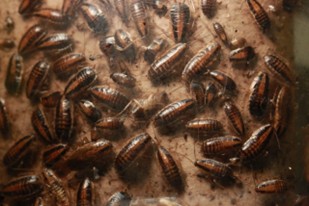
The German cockroach Blattella germanica, pictured here in a laboratory colony, is the most common indoor cockroach pest in the world.
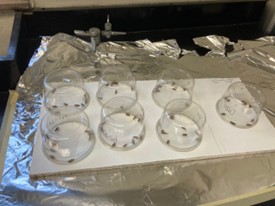
Laboratory assays evaluating the residual efficacy of consumer cockroach control sprays.
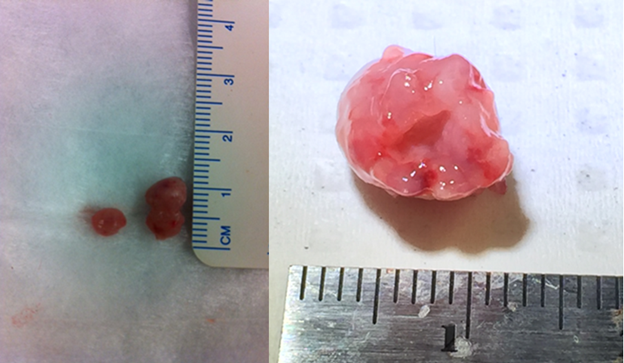
The picture on the left shows two cancer tumors, a two-weeks and four-weeks growth. On the right, the cross section of a tumor is shown. All rules are centimeters. Photo courtesy of Dr. Lindsay Cormier.
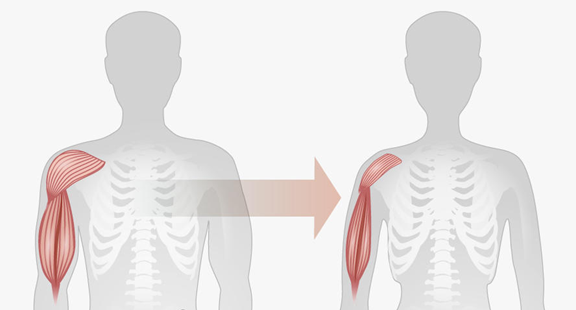
Healthy muscle (left) and muscle showing atrophy (right). Muscle atrophy occurs when the muscle loses cross-sectional area and strength due to physical inactivity. Credit: Cancer Cachexia: After Years of No Advances, Progress Looks Possible was originally published by the National Cancer Institute. https://www.cancer.gov/about-cancer/treatment/research/cachexia.
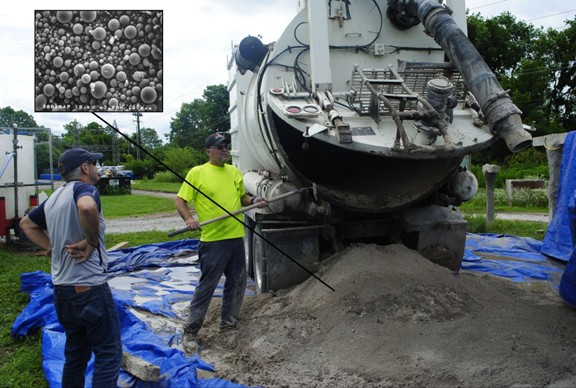
Dr. John Groppo (left) and the research team at the University of Kentucky's Center for Applied Energy Research receive fly ash for their investigation. The inset shows spherical fly ash particles at 2,000x magnification. Credit: Dr. James Hower (fly ash delivery); U.S. Department of Transportation/Wikimedia Commons (inset).

A 165-foot-tall utility-scale wind turbine in Mercer County is used to collect research data to quantify the potential of wind energy in KY. Photo courtesy of the Pennsylvania Power & Light (PPL) Corporation.
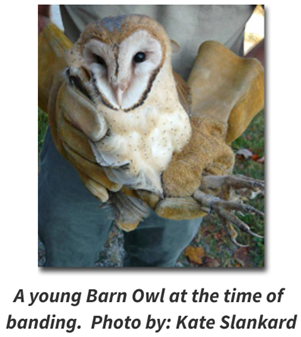
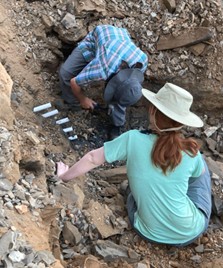
Tyler Spears (left) and June Lennex-Stone (Right) collecting samples for analysis at the Clarkia Lagerstätte.
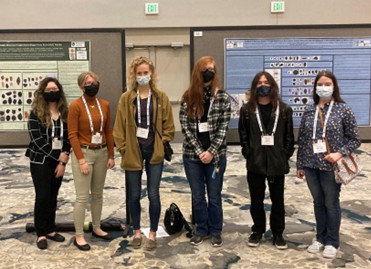
Taylor Horsfall, Savannah Jones, Laikin Tarleton, June Lennex-Stone, Tyler Spears, and Jolene Fairchild presenting their work on samples from Alum Bluff and Clarkia at the 2022 meeting of the Southeastern Section of the Geological Society of America in Cincinnati, OH.
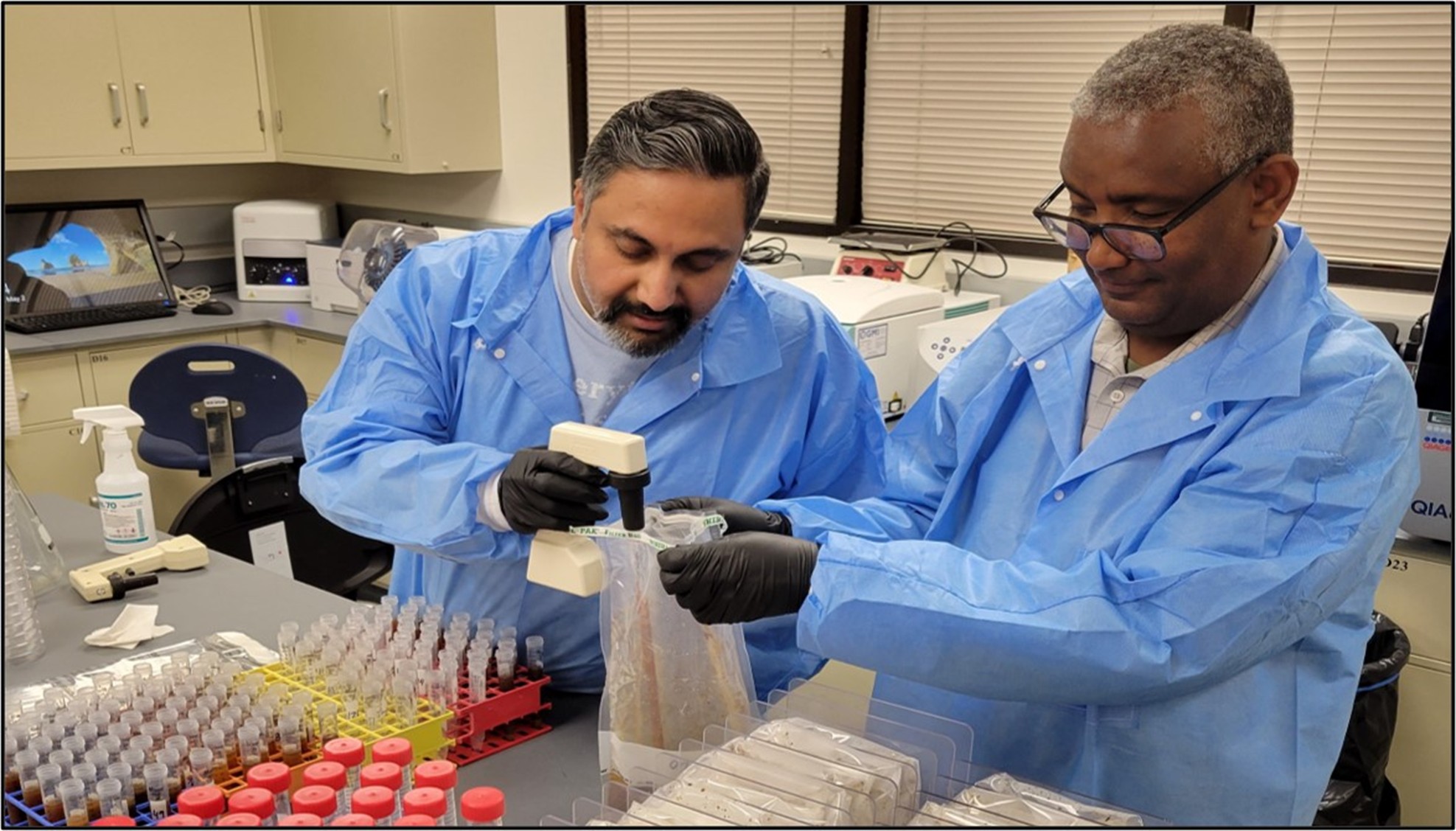
Research Microbiologist Dr. Getahun Agga (right) and his technical assistant Rohan Parekh process soil samples for bacterial culture analyses. Photo courtesy of Dr. Agga.